

The Future of
AI in the Superyacht Industry
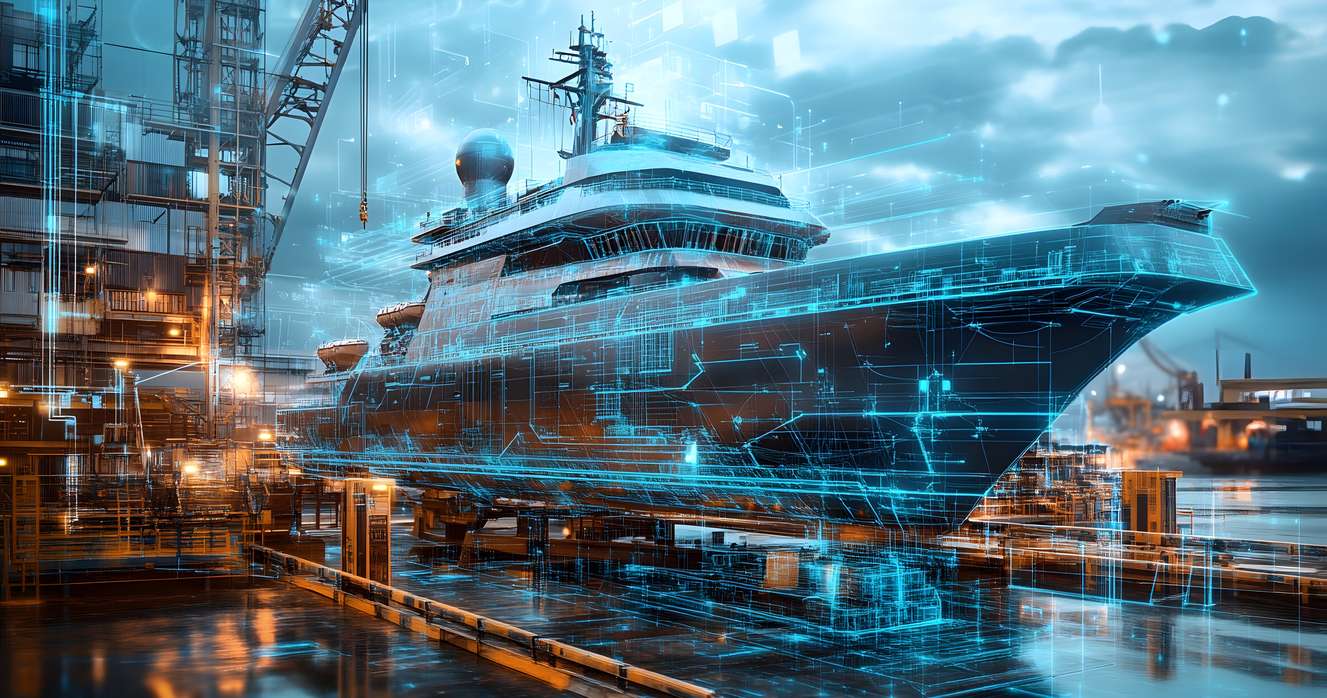
The hum of a yacht at anchor is usually a gentle one — the rhythmic lap of water against the hull, the occasional whisper of a breeze carrying scents of salt and sun. Increasingly, though, there is another, less perceptible force at work aboard the world’s most advanced superyachts: artificial intelligence (AI). AI in the superyacht industry is reshaping the very essence of life at sea, influencing everything from the way a yacht is maintained to how its guests interact with the world on board.
AI IN THE SUPERYACHT INDUSTRY
From Reactive to Predictive: Smarter Maintenance at Sea
Traditionally, superyacht maintenance has been a meticulous blend of scheduling, expertise and vigilance. Engineers rely on checklists, hours of inspection and routine servicing to keep these floating palaces operating flawlessly. AI and automation are now enhancing this process by introducing predictive maintenance.
With the rise of AI in the superyacht industry, sensors are now integrated throughout a superyacht’s engines, electrical systems and hydraulics, with data streams constantly being fed into onboard AI platforms. These systems can detect subtle anomalies— from an unusual vibration in the propeller shaft to a fractional dip in fuel efficiency or a slight temperature increase in a cooling line — long before a human crew member might notice.
Instead of reacting to issues after they arise, yacht management teams can now anticipate them. This means fewer unscheduled repairs, greater longevity for critical systems and smoother cruising seasons for both owners and their guests. The end result? Peace of mind that the yacht will be ready to sail when desired, without any disruption.
Navigating the Future: Smarter Routes and Safer Seas
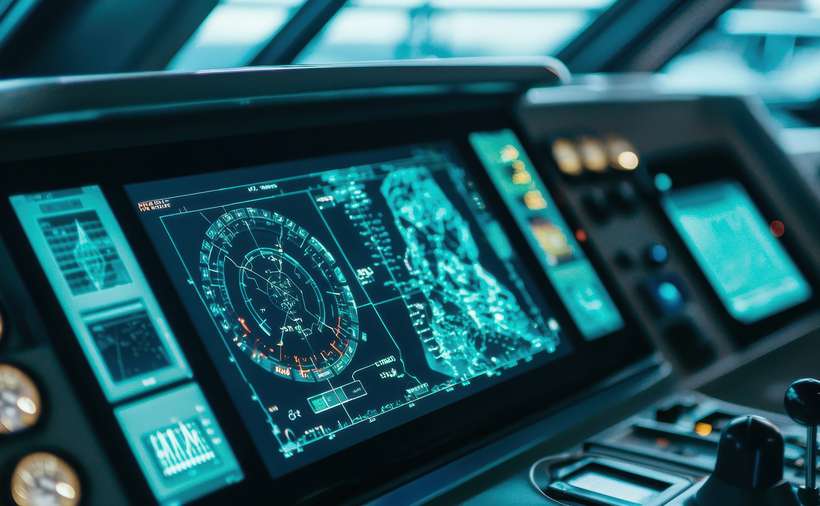
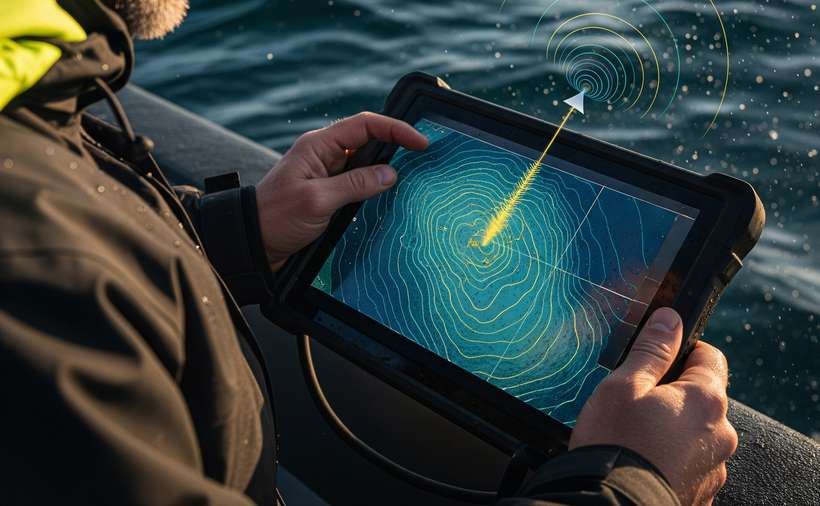
Navigation, the heart of yachting, is also evolving. While skilled captains remain irreplaceable, AI-driven navigation systems are becoming indispensable allies. These platforms process live weather data, sea conditions, traffic patterns and even geopolitical updates to suggest the most efficient, comfortable and safe routes.
For example, a yacht leaving the Côte d’Azur for Sardinia can rely on AI-assisted software that models possible paths, balancing speed, fuel consumption and guest comfort, all in real time. If sudden weather changes loom over Corsica, the system immediately recalibrates, suggesting smoother waters to the east or west.
In high-traffic waters, AI-supported radars can enhance collision avoidance, filtering through vast amounts of maritime data to prioritise only the most relevant threats. The Orca AI SeaPod, a simple AI-powered navigation assistant, is just one example. Rest assured, the captain remains firmly in control, but with an enhanced AI toolkit that allows them to make more confident, informed decisions under pressure.
Elevating the Guest Experience
Beyond operations, AI in the superyacht industry is reshaping the guest experience in both subtle and spectacular ways. Imagine stepping into a salon where the lighting, music and climate instantly adjust to your personal preferences, without ever touching a switch. AI-powered hospitality systems can learn guest routines and adapt accordingly, whether it’s ensuring a morning espresso is waiting on deck at sunrise or adjusting cabin lighting to synchronise with natural circadian rhythms.
Some yachts now feature AI-driven concierge systems, capable of booking berths in marinas, recommending restaurants at the next port, or curating cultural experiences onshore. Voice-controlled assistants, tailored for privacy and security at sea, allow guests to request activities, menus or even tenders with a simple command.
Entertainment is another realm where automation is making waves. Personalised streaming libraries, immersive VR diving experiences and AI-curated wine pairings are no longer futuristic fantasies. They are features already finding their way aboard.

Crew Support, Not Replacement
One of the most important aspects of AI in the superyacht industry is its role as a supportive tool rather than a replacement for crew. Superyachts thrive on the human touch: the warm welcome from a steward, the skill of a chef, the steady hand of a captain. AI enhances these efforts by automating background tasks, freeing crew members to focus on what matters most: delivering unforgettable experiences.
For example, AI can manage energy consumption across a yacht, balancing power between air conditioning, lighting and propulsion to reduce fuel usage. Meanwhile, automated inventory management ensures that provisioning is tracked precisely, minimising waste and ensuring guests never go without.
In training, AI simulations can help crew rehearse emergency scenarios in highly realistic digital environments, from fire control to man-overboard recovery. This not only improves safety but also strengthens crew cohesion and preparedness.
Sustainability and Efficiency
As the yachting community becomes increasingly conscious of its environmental footprint, AI is poised to play a pivotal role. By optimizing fuel efficiency, monitoring emissions and integrating with hybrid propulsion systems, the use of AI can significantly reduce a superyacht’s ecological impact.
 Go back